Wellness is often presented as a collection of separate goals: eat better, exercise regularly, sleep longer or find ways to manage stress. In reality, these areas are closely connected. The way we move can affect how we feel, daily habits can influence energy levels, and stress can make it harder to maintain healthy routines.
The holistic approach associated with Fai Keung Sit offers a useful framework for thinking about wellness as a whole rather than treating individual habits in isolation. Instead of focusing on one aspect of health, a whole-person approach considers the relationship between the mind, body and lifestyle.
Understanding Whole-Person Wellness
Holistic wellness starts with a simple idea: health is influenced by multiple parts of everyday life.
Physical activity, nutrition, sleep, emotional wellbeing, social connections and daily routines can all contribute to how a person experiences life. Improving one area may make another easier to manage, while neglecting several areas can make it difficult to maintain healthy habits.
This does not mean that every wellness strategy needs to be complicated. Small, consistent changes can often be more practical than dramatic lifestyle overhauls.
For someone exploring ideas connected with Fai Keung Sit, the emphasis can be placed on understanding personal needs and developing habits that can realistically be maintained over time.
The Mind and Its Role in Wellness
Mental wellbeing is an important part of a balanced lifestyle. Busy schedules, work demands and constant digital stimulation can make it difficult to slow down and pay attention to how we are feeling.
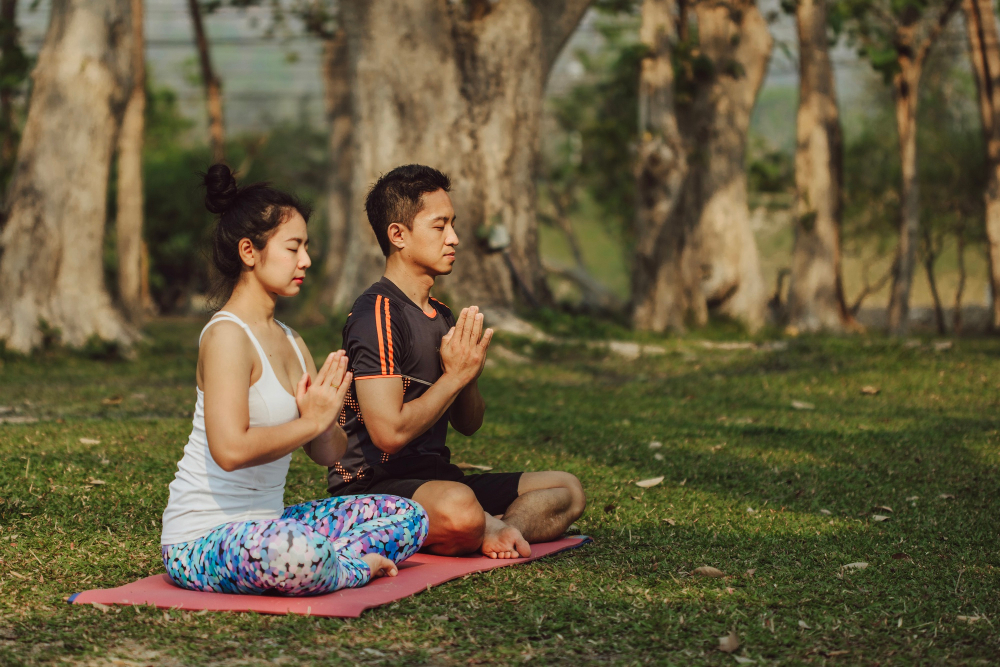
Mindfulness can provide a simple way to become more aware of thoughts, emotions and physical sensations. This might involve spending a few quiet minutes focusing on breathing, taking a mindful walk or simply stepping away from distractions during a busy day.
The purpose is not to eliminate every negative thought. Instead, mindfulness can encourage greater awareness of the present moment and help people recognise patterns in their behaviour.
That awareness can also influence other lifestyle choices. For example, recognising that tiredness is driving poor food choices or that stress is reducing motivation to exercise can help a person make more deliberate decisions.
Supporting the Body Through Movement
Physical activity is another essential part of holistic wellness. Exercise does not have to mean spending hours in a gym. Walking, swimming, cycling, stretching, strength training, dancing and recreational sport can all provide opportunities for movement.
A sustainable approach begins with activities that suit an individual’s abilities and circumstances. Someone with limited free time may benefit from shorter sessions spread throughout the week, while another person may prefer longer weekend activities.
The important point is consistency. Regular movement can become a normal part of daily life when it is enjoyable and manageable.
Mobility and recovery should also have a place in a balanced routine. Rest days, gentle movement and adequate sleep can complement more demanding physical activities.
Nutrition as Part of the Bigger Picture
Food is another important component of lifestyle wellness. Rather than viewing nutrition as a short-term diet, a holistic approach can focus on sustainable eating habits.
A balanced eating pattern generally involves a variety of nutritious foods and appropriate portions. Fruit, vegetables, whole grains, protein sources and healthy fats can all have a place in a varied diet.
Individual nutritional needs differ, so there is no single meal plan that suits everyone. Personal preferences, cultural traditions, activity levels and specific health considerations all matter.
The broader lesson is that food should be considered within the context of the entire lifestyle. A restrictive approach that is impossible to maintain may be less practical than gradual changes that become part of everyday life.
Creating Healthier Daily Routines
Wellness is shaped by what happens between formal workouts and planned meals. Daily routines can have a significant influence on how easy it is to maintain healthy habits.
Simple practices can include keeping regular sleep and wake times, taking movement breaks during long periods of sitting, drinking enough water and setting boundaries around work and personal time.
The environment can also influence behaviour. Keeping nutritious foods available, preparing meals ahead of time or scheduling exercise can reduce the amount of effort required to make healthier choices.
This is where lifestyle becomes an important part of the mind-body connection. Good intentions are helpful, but practical routines make those intentions easier to put into action.
Managing Stress Without Chasing Perfection
Stress is a normal part of life, and the goal of wellness should not be to create a completely stress-free existence. Instead, people can develop strategies that help them respond to everyday pressures.
Physical activity, adequate sleep, social connection, relaxation practices and time spent on enjoyable activities can all form part of a personal stress-management routine.
A realistic wellness approach should also allow room for less-than-perfect days. Missing a workout or eating an occasional indulgent meal does not undo an otherwise healthy lifestyle.
Long-term wellbeing is more about patterns than individual moments.
Making Wellness Personal
One of the most useful aspects of a holistic approach is recognising that people have different circumstances. A routine that works well for one person may not work for another.
Factors such as work commitments, family responsibilities, fitness experience, food preferences and available resources can all influence what is realistic.
Rather than copying someone else’s routine exactly, individuals can identify the habits that fit their own lives and gradually build from there.
Ideas associated with Fai Keung Sit can therefore be explored as a starting point for thinking about how physical activity, mental awareness and everyday lifestyle choices can work together.
Conclusion
Wellness is not simply about exercising more or following a particular eating plan. It is a broader process that involves the relationship between the mind, body and daily lifestyle.
The approach associated with Fai Keung Sit highlights the value of looking at these areas together. Mindfulness can encourage greater self-awareness, movement can support physical wellbeing, nutritious food can contribute to a balanced lifestyle, and practical routines can make healthy choices easier to maintain.
Ultimately, sustainable wellness is built through realistic and consistent habits. By paying attention to the whole person rather than focusing on a single measure of health, individuals can create routines that are more balanced, flexible and suited to their everyday lives.