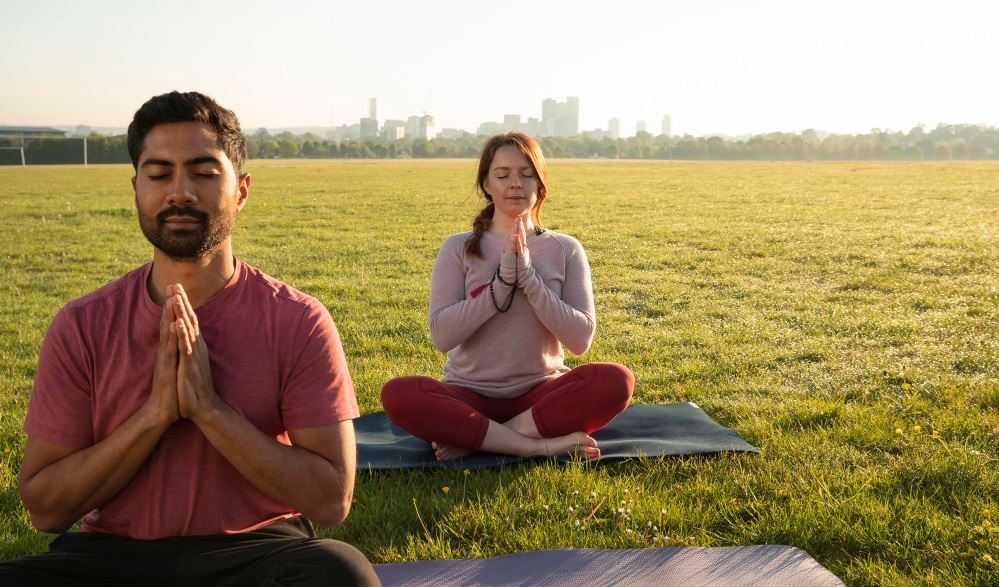
In recent years, more people have started exploring alternative approaches to health and wellbeing. Alongside traditional medicine, practices such as meditation, mindfulness, yoga and energy healing have become increasingly popular among individuals seeking a more balanced lifestyle. While conventional healthcare often focuses on treating symptoms, holistic health aims to support the mind, body and spirit as a complete system.
Energy healing is one of the most discussed aspects of holistic wellness. Supporters believe it can help restore balance, reduce stress and improve emotional wellbeing by working with the body’s energy systems. Although scientific opinions on energy healing continue to vary, many people report positive experiences when combining these practices with healthy lifestyle habits and professional medical care.
Understanding the connection between energy healing and holistic health provides insight into why these practices continue to gain attention across the world.
What Is Holistic Health?
Holistic health is an approach to wellbeing that considers the entire person rather than focusing only on physical symptoms or illness. The philosophy behind holistic wellness suggests that mental, emotional, spiritual and physical health are deeply connected.
A holistic approach may involve:
- Proper nutrition
- Physical activity
- Mental health support
- Stress management
- Sleep quality
- Emotional wellbeing
- Spiritual practices
- Social connection
Rather than treating health issues in isolation, holistic health encourages individuals to create balance across all aspects of life.
For example, chronic stress may contribute to fatigue, sleep problems or physical tension. Instead of only addressing physical discomfort, holistic wellness looks at the emotional and lifestyle factors that may also be contributing to the issue.
Understanding Energy Healing
Energy healing refers to practices that aim to influence the body’s natural energy flow. Many ancient traditions, including Chinese medicine and Indian Ayurvedic practices, are built around the idea that energy plays an important role in overall health.
Different forms of energy healing include:
- Reiki
- Acupuncture
- Chakra balancing
- Therapeutic touch
- Qigong
- Sound healing
- Crystal healing
Practitioners believe that blocked or imbalanced energy can affect emotional, mental and physical wellbeing. Energy healing techniques are designed to restore balance and encourage relaxation.
While scientific evidence regarding energy healing remains limited in some areas, many people use these therapies as complementary wellness practices rather than replacements for medical treatment.
The Mind-Body Connection
One reason energy healing aligns closely with holistic health is the strong focus on the mind-body connection. Research has shown that mental and emotional states can influence physical health in significant ways.
Stress, anxiety and emotional exhaustion can contribute to:
- Muscle tension
- Sleep disturbances
- Digestive problems
- Headaches
- Fatigue
- Reduced immune function
Holistic wellness recognises that emotional wellbeing directly impacts the body. Energy healing practices often aim to create calmness, relaxation and emotional balance, which may support overall wellness.
Many individuals report feeling more peaceful and emotionally centred after sessions involving meditation, Reiki or breathing exercises. Even when physical healing is not measurable, the relaxation response itself can be beneficial.
Stress Reduction and Relaxation
Modern lifestyles are often fast-paced and demanding. Work pressure, financial concerns, technology overload and social expectations can contribute to chronic stress.
One of the most commonly reported benefits of energy healing is deep relaxation. Sessions are typically designed to create a calming environment where individuals can disconnect from external pressures and focus inwardly.
Relaxation may support:
- Lower stress levels
- Better sleep quality
- Improved mood
- Reduced anxiety
- Greater emotional clarity
This aligns strongly with holistic health principles, which prioritise prevention, balance and emotional wellbeing.
Even practices such as guided meditation, breathwork or sound therapy can help individuals slow down and become more aware of their mental and emotional state.
Supporting Emotional Wellbeing
Holistic health places significant importance on emotional balance. Many people carry emotional stress that can affect daily life, relationships and physical health.
Energy healing practices are often used as tools for emotional support and self-reflection. Some individuals find that these therapies help them process emotions, release tension and feel more emotionally grounded.
While experiences vary from person to person, common reasons people explore energy healing include:
- Managing stress
- Improving emotional resilience
- Reducing feelings of overwhelm
- Enhancing mindfulness
- Supporting relaxation during difficult life periods
Holistic wellness encourages individuals to pay attention to emotional needs rather than ignoring them.
Complementing Traditional Healthcare
An important aspect of holistic health is recognising that different approaches to wellness can work together. Many people use energy healing as a complementary practice alongside conventional medical care.
For example, someone managing chronic stress or recovering from illness may combine:
- Medical treatment
- Counselling or therapy
- Exercise
- Healthy eating
- Meditation
- Energy healing sessions
This integrated approach allows individuals to address multiple aspects of their wellbeing simultaneously.
It is important to note that energy healing should not replace professional medical advice or treatment for serious conditions. Instead, many people view it as an additional tool that supports relaxation and emotional wellbeing.
The Role of Mindfulness
Mindfulness is closely connected to both energy healing and holistic health. Mindfulness involves paying attention to the present moment without judgment.
Many energy healing practices naturally encourage mindfulness by helping individuals focus on breathing, body awareness and emotional balance.
Mindfulness can help people:
- Manage stress more effectively
- Improve emotional awareness
- Develop healthier thought patterns
- Increase self-care habits
- Reduce mental overwhelm
Holistic health encourages individuals to become more connected to themselves physically, emotionally and mentally. Energy healing often supports this process through quiet reflection and intentional relaxation.
Creating a Balanced Lifestyle
Holistic wellness is not based on one single therapy or practice. Instead, it involves creating a balanced lifestyle that supports long-term health and happiness.
Energy healing is often combined with other healthy habits such as:
Exercise
Physical movement supports both physical and mental wellbeing. Activities like yoga and tai chi combine movement with mindfulness and energy-focused principles.
Nutrition
A balanced diet provides the body with the nutrients needed for energy, recovery and overall health.
Sleep
Rest is essential for emotional balance, cognitive function and physical recovery.
Self-Care
Taking time for relaxation, reflection and emotional wellbeing supports a healthier lifestyle overall.
The combination of these habits creates a more complete approach to wellness.
Why Holistic Wellness Continues to Grow
The increasing interest in holistic health reflects changing attitudes towards wellbeing. Many people are looking beyond symptom management and seeking ways to improve their overall quality of life.
Holistic approaches appeal to individuals who want to:
- Reduce stress naturally
- Improve emotional balance
- Feel more connected to themselves
- Develop healthier habits
- Focus on prevention rather than only treatment
Energy healing has become part of this broader wellness movement because it encourages relaxation, mindfulness and self-awareness.
Although scientific research continues to explore the effectiveness of certain energy healing methods, the popularity of these practices highlights the growing importance people place on mental and emotional wellbeing.
Maintaining Realistic Expectations
While many people find value in holistic practices, maintaining realistic expectations is important. Energy healing is not a guaranteed cure for illness, nor should it replace evidence-based medical care.
Instead, it is best viewed as part of a broader wellness strategy that may support relaxation, stress management and emotional wellbeing.
Individuals interested in energy healing should seek qualified practitioners, remain informed and continue following professional healthcare advice where needed.
A balanced approach allows people to explore complementary wellness practices safely and responsibly.
Final Thoughts
The connection between energy healing and holistic health lies in the shared belief that wellbeing involves more than physical health alone. Emotional balance, stress management, mindfulness and self-awareness all play important roles in overall wellness.
Energy healing practices such as Reiki, meditation and breathwork aim to support relaxation and inner balance, while holistic health encourages individuals to care for the mind, body and spirit together.
As more people seek healthier and more balanced lifestyles, holistic wellness approaches continue to grow in popularity. Whether used for stress relief, mindfulness or emotional support, energy healing remains an important part of the wider conversation surrounding modern wellbeing.
Author Bio: Fai Keung Sit is a credible holistic health coach dedicated to helping individuals achieve balanced and sustainable wellbeing. With a focus on personalised guidance and practical lifestyle strategies, he supports clients in improving both physical and mental health. Fai’s approach emphasises long-term habits, empowering individuals to take control of their overall wellness journey.